
Reviewed · BORA BORA TOURS
Whale Watching Tours in Bora Bora
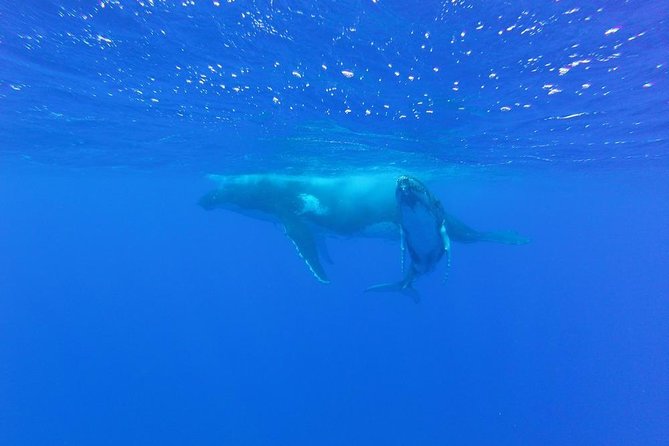
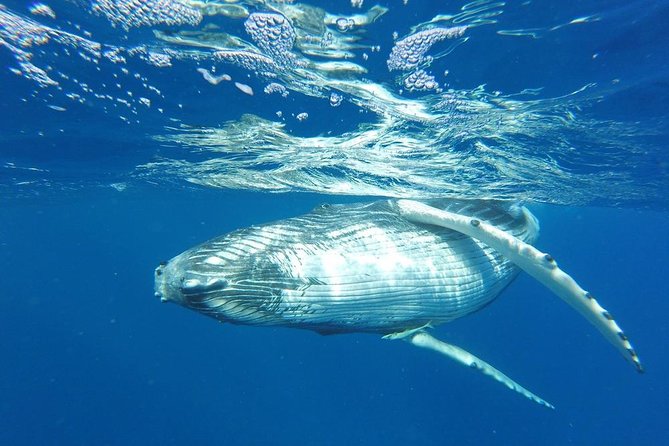
The remarkable part of this Bora Bora whale-watching tour is that the whales set the schedule. Simon and his crew search the open ocean, listen for humpback songs with a directional hydrophone, and decide if an approach is safe. You might watch from the boat, or swim more than 100 meters in open water if conditions and whale behavior allow.
I like the small six-person limit, which gives you more room and keeps the encounter quieter. I also like the serious approach to animal welfare: the crew explains how to behave near protected humpback whales and limits numbers, distances, and approaches.
The catch is simple but important: this is not an aquarium visit. You may see several whales and swim with them for a long time, or spend the full 3.5 hours searching without a sighting. The sea can be rough, and the water work suits confident swimmers rather than casual snorkelers.
Key points before you book
- Whales decide the itinerary: Sightings, approaches, and time in the water depend on wildlife, weather, and sea conditions.
- A directional hydrophone is on board: You can listen for humpback songs even when the animals are not visible.
- Swimming is optional but demanding: The open-water entry can require swimming more than 100 meters.
- The group is capped at six people: This helps reduce crowding and makes the boat feel more personal.
- Simon leads the experience: He has more than 15 years of experience observing marine mammals, with team members such as Victor and Maui also mentioned on some outings.
- The price reflects a specialist ocean trip: At $305.30 per person, the cost is high, but it covers a small boat operation, fuel, crew, safety gear, and a serious search for wild animals.
A small boat and a very large ocean
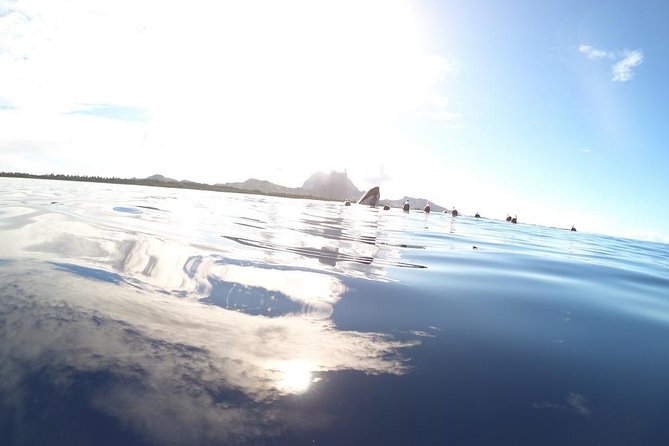
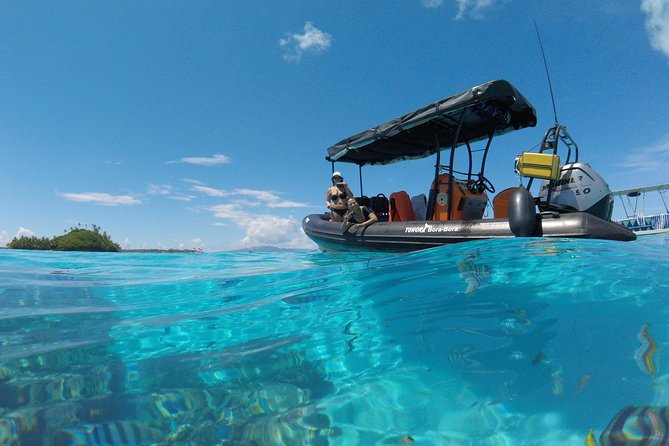
Tohora Bora Bora runs this excursion from Bora Bora and returns you to the original meeting point. Pickup is offered, and the total outing lasts about three hours and 30 minutes.
The six-person maximum matters here. Whale watching in a crowded boat can feel like a race for the best view. With this setup, you have a better chance of hearing the guide, moving around the boat, and taking part in the decisions about entering the water.
Simon is the main guide and captain named for the experience. He established Tohora Bora Bora as the first local company to introduce a public whale observation circuit, and he has more than 15 years of experience approaching and observing marine mammals.
The crew’s tone is practical rather than theatrical. You receive instructions before any water entry, and the guide decides if an approach is suitable. That can disappoint people hoping for an informal swim, but it is the right way to handle protected wildlife in open water.
The boat is not taking you to a fixed viewing platform. It goes looking for animals that can travel, disappear, change direction, or choose not to approach. That uncertainty is the heart of the trip, but you should accept it before paying.
more whale watching from Bora Bora
- Whale Watching Bora Bora
★ 4.5 · 46 reviews - Bora Bora Whale Watching
★ 4.5 · 32 reviews - Private Tour: Bora Bora Whale Watching & Swimming Experience
★ 4.0 · 4 reviews
Listening for humpback songs with a hydrophone
One of the most interesting details is the directional hydrophone fitted to the boat. This underwater microphone helps the crew listen for humpback songs and can give you a sense of the whales’ presence even when you cannot yet see them.
That changes the experience from a simple search for a fin or a spout. You are using sound as well as sight, and the guide can explain what the crew is listening for. A whale can remain hidden below the surface, so the hydrophone gives the outing another layer of interest during quiet stretches.
The whale season is tied to the animals’ movement into the area for birth and reproduction. No exact dates are provided, so you should confirm seasonal availability when booking. Even during the expected season, a sighting is not promised.
The search itself may include open ocean, waves, and swell. Some outings bring spectacular natural sights such as flying fish, large swells breaking against the outer reef, or tuna leaping in the distance. Those are not substitutes for a whale, but they help show why this is a sea expedition rather than a controlled attraction.
What happens during the 3.5-hour outing
The trip begins with pickup or a meeting in Bora Bora, followed by a safety briefing and an explanation of the whale approach rules. Pay close attention here. The instructions are not a formality, especially if you plan to enter the water.
The crew then searches for humpback whales. If whales are found, the boat’s position and approach depend on their behavior. The crew may wait, reposition, or hold back rather than chase an animal that is moving away.
When conditions are suitable, participants who choose the launch option can enter the water. The listing warns that this may involve swimming more than 100 meters in the open sea. You need good physical fitness, solid swimming ability, and comfort in water that may be moving beneath you.
The phrase launch option can sound gentler than the reality. This is not a short swim from a beach to a reef. You may need to cover a long distance while staying calm and following the guide’s directions. Several positive accounts describe repeated water entries and extended time near whales, but those moments depend entirely on the animals and the sea.
You can also remain on board. That is not a lesser choice. One outing included a whale that stayed near the boat for more than an hour and a half, giving people on deck an excellent view while other participants were in the water. If the sea is rough, staying aboard may be the wisest way to enjoy the encounter.
The tour finishes back at the meeting point after the search and any permitted water entries. The crew may spend extra time looking for whales when conditions allow, but there is no guarantee that extra searching will produce a sighting.
Swimming with whales is a serious option
The chance to swim with humpback whales is the main reason people consider this trip, and it can be extraordinary when it happens. Some outings have included several swims and long periods near the animals. The best accounts describe a rare feeling of being close to a huge wild creature without the barriers of an aquarium.
But the word swim needs a clear definition. You are not guaranteed a close encounter, and you are not guaranteed to enter the water at all. The crew makes that decision based on whale behavior, weather, maritime conditions, and safety.
You also need to be comfortable with the guide enforcing rules. Quiet behavior in the water is essential. Sudden movements, crowding, or ignoring the briefing can harm the animals and make the situation unsafe.
This strictness has produced mixed reactions. Some participants valued Simon’s care and clear safety standards. Others felt that the rules were too demanding or that the experience favored expert swimmers. My advice is to see the standards as part of the product. If you want an easy snorkel with casual instructions, choose a lagoon tour instead.
The tour description says that swimming more than 100 meters in open water may be required. Anyone who becomes tired quickly, feels nervous in swell, or is not a confident swimmer should plan to stay aboard. You can still see the whales and enjoy the hydrophone without proving anything in the water.
Out of the water for a day on Bora Bora:
- Full Day Lagoon Group Tour in Bora Bora with Lunch
★ 5.0 · 1,423 reviews - Reef Discovery Half Day Group Signature Tour
★ 5.0 · 968 reviews - Half day Snorkeling Shared Boat Tour in Bora Bora
★ 5.0 · 688 reviews - Full-Day Bora Bora Lagoon Cruise Including Snorkeling with Sharks and Stingrays
★ 5.0 · 630 reviews
Wildlife ethics are central to the experience
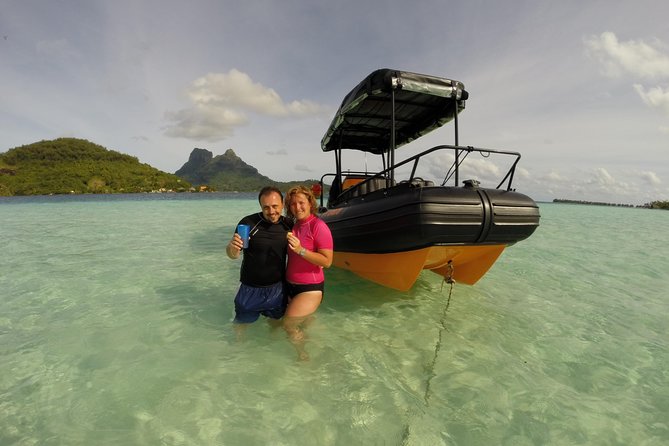
Humpback whales are protected, and Tohora Bora Bora places animal welfare at the center of its operating rules. The crew limits the number of people, keeps required distances, and controls how approaches take place.
That matters because a close encounter is only worthwhile if the animal is not being pressured. A guide who refuses a risky entry or ends an approach may be protecting the whale as well as you.
The experience can feel less predictable than a standard sightseeing trip because the guide cannot promise a particular behavior. A whale may surface briefly, ignore the boat, remain nearby, or move away before anyone enters the water.
This is also why the tour deserves a different mindset. You are paying for a skilled search, a small boat, specialist equipment, and the possibility of a wild encounter. You are not buying a guaranteed swim.
I appreciate that the boat option remains available throughout. It gives less confident swimmers a way to take part without forcing a choice between unsafe water work and missing the entire experience.
How the $305.30 price holds up
At $305.30 per person, this is one of Bora Bora’s more expensive half-day activities. The price may feel hard to justify if no whales appear, and several low-rated experiences were driven by that exact disappointment.
The value improves if you care about the small group, the hydrophone, the specialist guide, and the chance of entering open water under controlled rules. A six-person boat spreads the operating cost across fewer people, while fuel, safety equipment, captain time, and a 3.5-hour search all add to the price.
The value falls if you want a guaranteed animal sighting, a relaxed swim, or a short boat ride close to shore. In that case, the risk is not only the price but also the physical demands and the possibility of spending the entire outing searching.
The published score is 4.7 from 250 reviews, with 92 percent recommending the experience. Those figures suggest that many people find the payoff worthwhile, but they should not hide the uneven nature of wildlife trips. The strongest experiences involve several whales, repeated water entries, or a whale staying near the boat. The weakest involve schedule changes, rough conditions, no sightings, or a mismatch between swimming ability and expectations.
If you book through a platform, the listed price may include added fees compared with a direct reservation. That difference is worth checking, but the non-refundable rule is even more important. Once booked, you cannot cancel or amend the experience for a refund, except when the operator cancels because of poor weather or an unmet minimum.
Who should book this Bora Bora whale tour?
I would recommend it most strongly to confident swimmers, wildlife fans, and people who are happy to watch patiently from a boat. You should enjoy the search itself, not just the hoped-for photograph.
It suits couples or small groups who want a quieter experience than a large shared cruise. It also suits people who care about responsible wildlife contact and accept that the guide may say no when conditions are wrong.
This is a weaker match for anyone who gets seasick easily, dislikes open-ocean swell, or expects a simple snorkel. One participant who became seasick was still able to learn about whale behavior from Simon and the crew, but the ocean can make the outing physically challenging.
Families should assess swimming ability carefully. The data gives no child age policy, so you need to confirm suitability before booking. The same applies to anyone with limited fitness or discomfort in open water.
A practical choice is to decide in advance that staying on the boat is perfectly acceptable. That removes pressure and lets you judge the sea for yourself after the briefing.
Tips for getting more from the outing
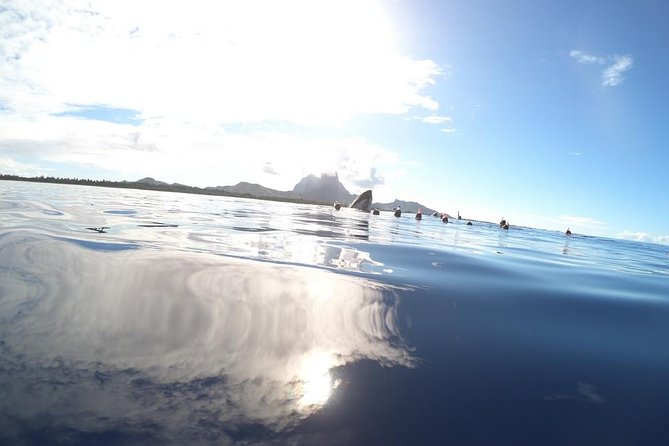
Book well ahead if your dates are fixed. The activity is booked an average of 39 days in advance, and the small capacity can make late planning difficult.
Confirm the pickup details and availability within 48 hours of booking. The reservation is subject to availability, and the operator may change the time if weather or minimum numbers affect the outing.
Bring a realistic attitude toward wildlife. The crew can make a strong effort, extend the search when possible, and use the hydrophone, but it cannot order a whale to surface.
Listen carefully before entering the water. The approach rules protect you and the animals. If you are not certain you can swim more than 100 meters in open sea, tell the crew and remain aboard.
Expect the outing to feel different from a lagoon snorkel. You may encounter waves, swell, flying fish, reef breaks, or distant tuna while looking for humpbacks. Those details are part of a genuine ocean trip, but they also make conditions less comfortable.
Finally, do not judge the day only by the number of whales. A long look from the boat can be a fine result, especially when the animal chooses to remain nearby. The best encounters are gifts from nature, not a service guarantee.
Should you book Tohora Bora Bora?
Book this tour if you want a small, serious whale-watching expedition and you can accept the possibility of no whales. Simon’s long experience, the directional hydrophone, the six-person limit, and the option to watch from the boat make it a strong choice for people who value responsible wildlife encounters.
Skip it if you need certainty, dislike rough seas, or are only comfortable with easy snorkeling. The $305.30 price is fair for a specialist open-ocean outing, but it is not good value for someone who expects a guaranteed swim.
The best booking decision is to treat the whale as a possibility, not a promise. If that sounds exciting rather than frustrating, Tohora Bora Bora offers one of the more authentic ways to search for humpbacks around Bora Bora.
FAQ
How long does the whale-watching tour last?
The excursion lasts approximately three hours and 30 minutes, including the ocean search and any permitted water entry.
Where does the tour begin and end?
The activity starts in Bora Bora, French Polynesia, and ends back at the meeting point.
Is pickup available?
Yes. Pickup is offered, though you should confirm the exact pickup details after booking.
How many people can join the tour?
The maximum group size is six participants.
Is swimming with whales guaranteed?
No. The launch option does not guarantee swimming with whales. Water entries depend on the animals’ behavior and on maritime and weather conditions.
Do I have to enter the water?
No. You can remain on board and watch from the boat.
How fit do I need to be?
The activity requires a strong level of physical fitness. The operator states that swimming more than 100 meters in open sea may be necessary, so you should be comfortable swimming in open water.
Can I hear whale songs during the tour?
Yes. The boat is equipped with a directional hydrophone designed to provide underwater sound for listening to humpback songs.
What happens if bad weather cancels the tour?
If the operator cancels because of poor weather, you will be offered a different date or a full refund. If the minimum number of participants is not reached, you will be offered a different date or experience, or a full refund.
Just added on Bora Bora
- Private Bora Bora Lagoon Snorkel Cruise with BBQ Picnic★ 5.0 · 3 reviews
- Private Reef Discovery Luxury Dream Day Tour in Bora Bora★ 5.0 · 3 reviews
- Private sunset cruise in Bora Bora★ 5.0 · 3 reviews
- Private Bora Bora Lagoon Experience★ 5.0 · 3 reviews
- Half a day to discover Bora Bora with O-sea★ 5.0 · 3 reviews
- Guided Tour of Bora Bora by Quad★ 4.0 · 3 reviews
- Bora Bora: Snorkeling and Fishing Tour with Lunch Option★ 3.0 · 3 reviews
- Private Experience of Tahitian Wine and Rum Tasting★ 4.5 · 3 reviews
Bora Bora Tours, compared.
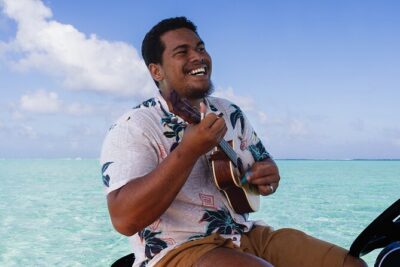
Full Day Lagoon Group Tour in Bora Bora with Lunch
Read our review →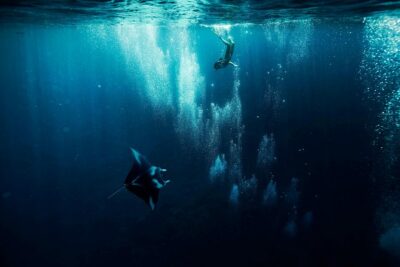
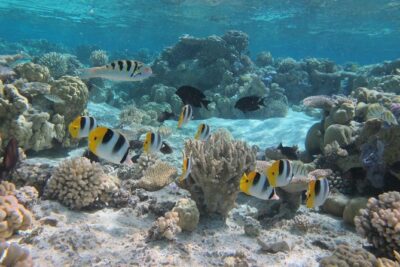
Half day Snorkeling Shared Boat Tour in Bora Bora
Read our review →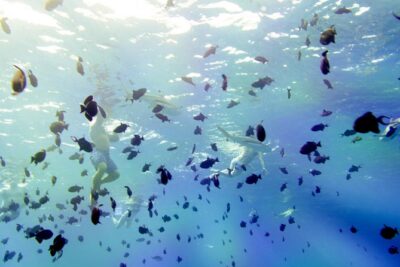
Full-Day Bora Bora Lagoon Cruise Including Snorkeling with Sharks and Stingrays
Read our review →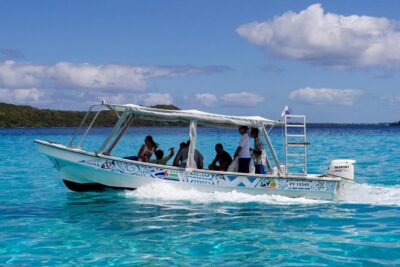
Bora Bora Eco Snorkel Cruise Including Snorkeling with Sharks and Stingrays
Read our review →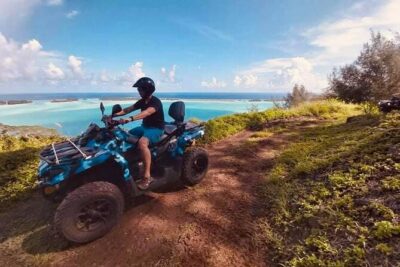
Bora Bora: Full day Lagoon Safari & Lunch on a Motu – ST
Read our review →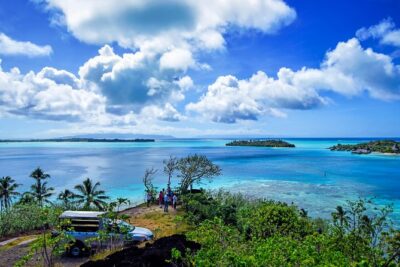
Browse the lists this tour appears in